
Hillsboro Neighbors Block Sources
Public records can answer several small questions about a Hillsboro block, but none produces a complete list of neighbors. InterMap supplies adjoining tax-lot polygons and a route to each selected parcel’s assessment information. Survey Explorer supplies subdivision, lot, block, survey, and road context. Recording can supply a dated ownership chain after a parcel is identified. City permit requests can lead to a project or address record. Heritage and newspaper collections add historical context. Each source has a separate access path and a separate limit.
| Hillsboro block source | What it can show | Access and limit |
|---|---|---|
| InterMap | Adjacent tax-lot polygons and each parcel’s assessment route | Address then map/click browsing. No verified buffer tool. |
| Assessment and tax record | Owner and tax mailing information for one selected parcel | Parcel by parcel. Mailing address can differ from situs. |
| Survey Explorer and plats | Subdivision, lot/block, surveys, and road geometry | Supports legal geography, not a complete household list. |
| Recording Office | Dated ownership trail for an identified parcel | Party and legal-description research, not a block search. |
| Voter-list channel | Lawful elector-list output within official capabilities | Fees, statutes, and protected-voter exclusions apply. |
| Heritage and newspaper collections | Historic visual and community context | Not a current member roster. |
For Hillsboro neighbors, an owner record is evidence of tax responsibility or a recorded transaction. It is not evidence that the owner lives at the site, and it does not identify every non-owner occupant. Treat the selected parcel, date, and record role as part of the result.
Map a Hillsboro Neighbor Block
The verified method is simple and repeatable: begin with the focal address in InterMap, capture its parcel identifiers, then pan and click the adjoining polygons one at a time. The public research did not verify a radius or buffer control in InterMap. Do not claim one exists. Survey Explorer can help when a plat or survey is needed to understand lot lines, road records, or an earlier subdivision description. County map data is a research aid and carries a no-warranty notice, so a formal boundary question needs a licensed surveyor.
- Find the focal address in InterMap and note the tax lot, R number, map or account number, and legal description.
- Pan to each touching polygon and open that parcel’s own assessment or tax information separately.
- Compare situs with tax mailing information, and label an owner only as the role the record actually supports.
- Use the legal description with Recording if a dated title trail is needed for one selected parcel.
For a named street rather than the immediate adjoining parcels, use the broader Hillsboro By Street directory workflow.
Hillsboro Neighbor Ownership Limits
Washington County tax material distinguishes the property situs from the mailing address for the person responsible for the bill. A parcel record may also show a legal description, map number, account number, values, and listed exemptions. Recording material can identify grantor and grantee roles in a dated transaction. None of those items establishes a full block of current residents. A person named in a deed, permit, or mailing field should be described by that documented role only.
| Source type | Useful block fact | What remains unproven |
|---|---|---|
| Official parcel and recording records | Tax responsibility, parcel identity, and dated ownership roles | Whether every person at the site lives there now |
| Commercial neighbor tools | Compiled leads that may require independent checking | Current accuracy, source date, and a complete lawful roster |
Official custodian records are the right place to confirm a parcel fact. Compiled products can combine old, mismatched, or incomplete information, so they should never replace the parcel-by-parcel County trail.
Hillsboro Neighbor Voter Rules
Oregon voter records have a separate, regulated request route. Oregon My Vote is an elector’s own registration-status interaction, not a public block browsing tool. The Secretary of State allows an electronic statewide or smaller-than-statewide list request through SFTP. Its stated statewide fee is $500, while a less-than-statewide request is $25 setup plus 2.5 cents per 100 records with a stated 10-business-day allowance. Printed, label, and other non-electronic smaller requests go through the county elections official where voters reside.
ORS 247.945 and ORS 247.948 govern request availability and the public/nonpublic split. Address Confidentiality Program participants and protected fields are excluded. A voter entry is not a complete neighborhood household record, and a missing entry must not be treated as a reason to investigate a protected person.
Election records also have a defined purpose and defined fields. A voter’s ballot choices are not part of a voter list. Historic poll books and Official Register of Electors volumes can add date-dependent context at the State Archives, historical vault, or Washington County Museum, but they are not a current address-by-address tool. Keep historic and current election channels separate when reviewing Hillsboro neighbors.
Note: Washington County Elections handles local registration administration and historical election materials, while the State controls the electronic request route.
Hillsboro Neighbors Community Context
Community research can add context without pretending to provide a member list. No official public Hillsboro-wide HOA roster, neighborhood membership directory, alumni contact directory, congregation roster, or umbrella association list was located in the research. That absence matters. Public contacts for an individual organization may serve that organization’s stated purpose, but they do not create a searchable list of private people.
Washington County Heritage Online
Pacific University Archives hosts historic photographs, documents, oral histories, and the Homes & Streets collection. It is useful for dated neighborhood context, not a present roster.
Brookwood and WCCLS
Library local-history resources, newspaper notices, and staff-created research lists can help place a block in time without identifying current private members.
Heritage material can lead from a historic street image to a tax lot, Sanborn map, deed, or newspaper citation. Keep the date and source attached to each observation.
Historic Oregon Newspapers supplies another local context route. Hillsboro titles are searchable through the University of Oregon program for selected issues beginning in the 1870s and extending through 1922, while Brookwood’s Argus and Independent microfilm covers later runs. A dated notice or street image can support a neighborhood-history question, but it should be read with its original publication date and page rather than treated as a current resident record.
Hillsboro Neighbor Official Sources
Oregon maintains many official databases, but each one answers its own narrow question. The Secretary of State’s government-database directory links specialized resources such as credential, charity, accountancy, and other regulated searches. A result can establish the type of public record the agency maintains. It should not be recast as a Hillsboro neighbors list or proof of a current address. A source’s scope is part of the fact it provides.
The Oregon government database directory shows the separate official systems available across state agencies.
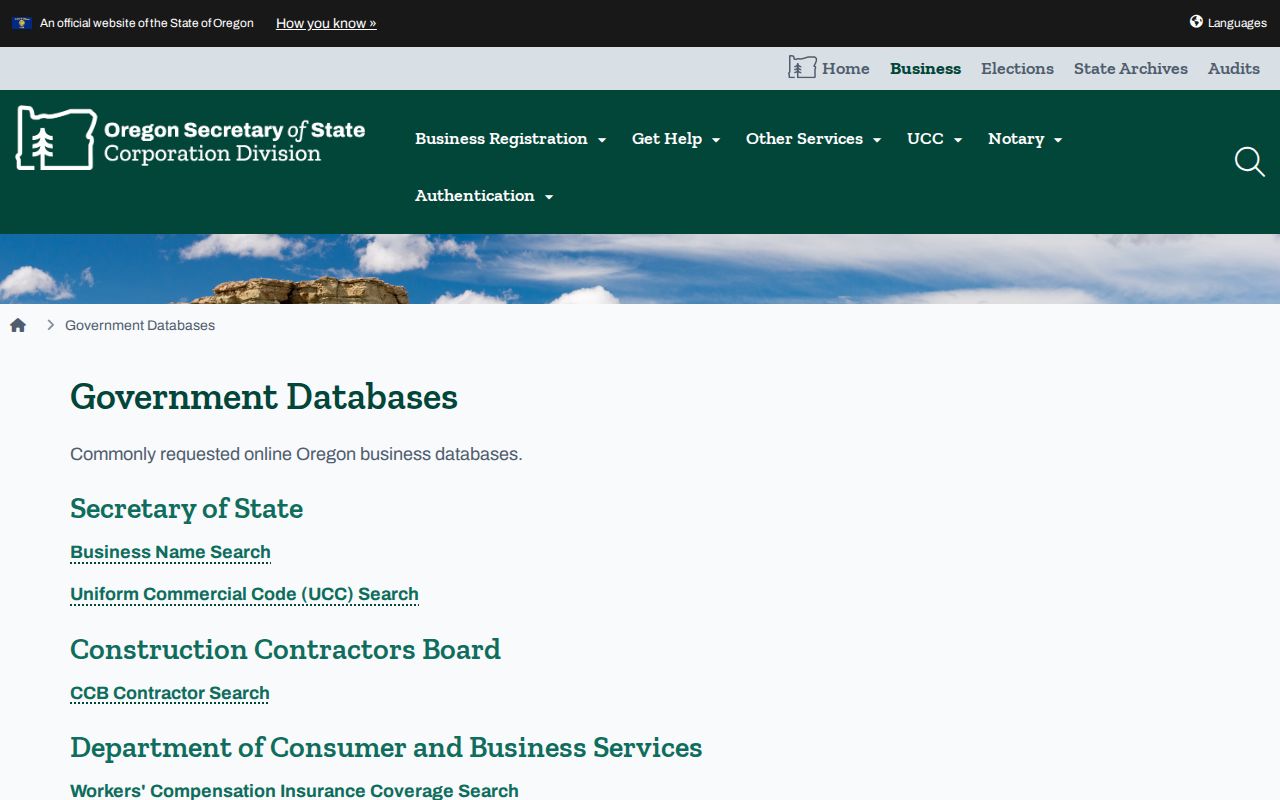
Using the directory as a source map helps keep an official credential or filing record in its proper context instead of turning it into a block profile.
Hillsboro Neighbor Filing Limits
Oregon UCC records are financing-statement records, not neighborhood data. The Secretary of State offers standard, expanded, and file-number searches, with debtor-name logic and paid certified-search options. A custom information request can seek a secured-party list using up to five debtor cities or ZIP codes for $50. Its output concerns UCC filings, amendments, corrections, notices, and a through date. It cannot establish a block’s residents or parcel occupancy.
The Oregon UCC search guidance describes the documented search modes and record limits.
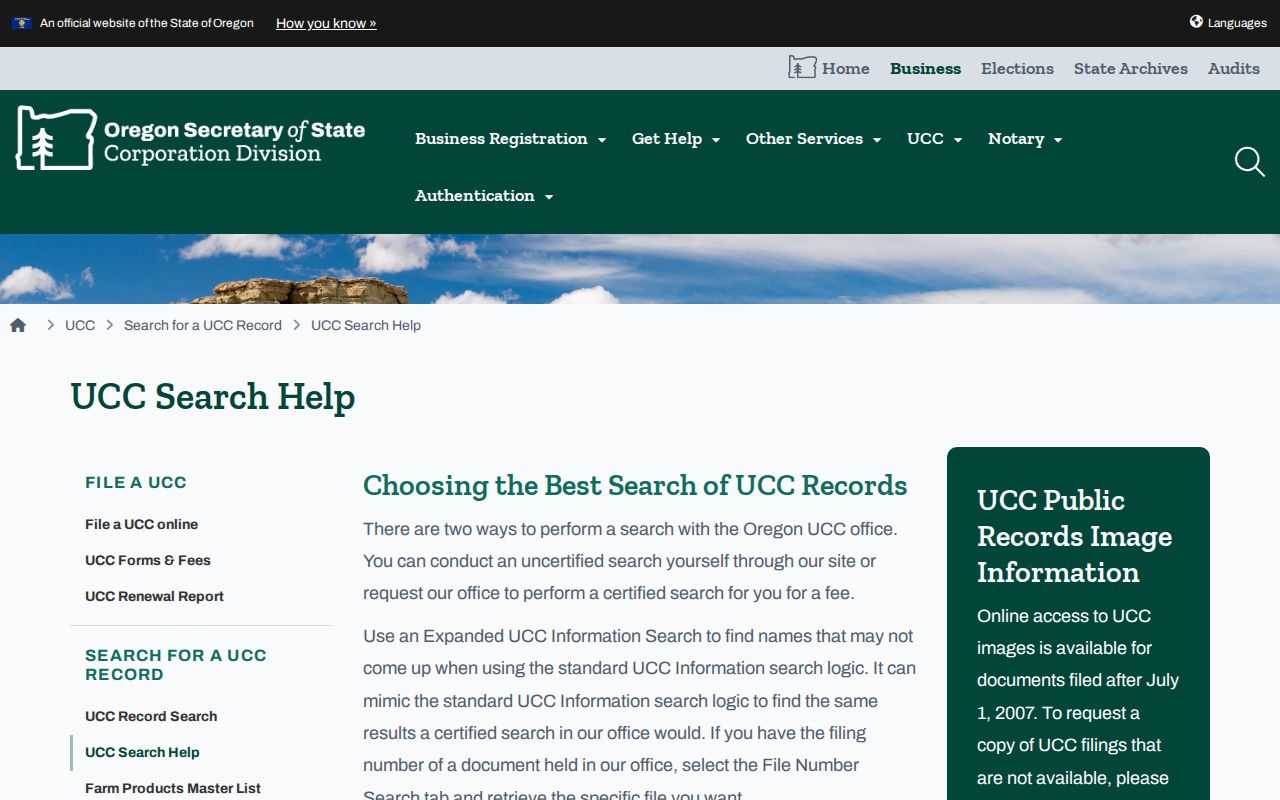
Keep a UCC result as a filing lead only. The map, assessment record, and Recording Office remain the County sources for parcel facts.
Hillsboro Neighbor Safety Sources
Custody and public-notification systems have strict purposes and should not be used as a block roster. Oregon VISOR covers people currently in custody or supervision and accepts a full or partial name, State ID, or County ID. The Oregon Department of Corrections warns that its information changes and should not be used as an official record. The State Police registry follows its own level-based public-notification rules. Federal custody uses a separate Bureau of Prisons locator.
The Oregon VISOR service provides the state custody and notification path.
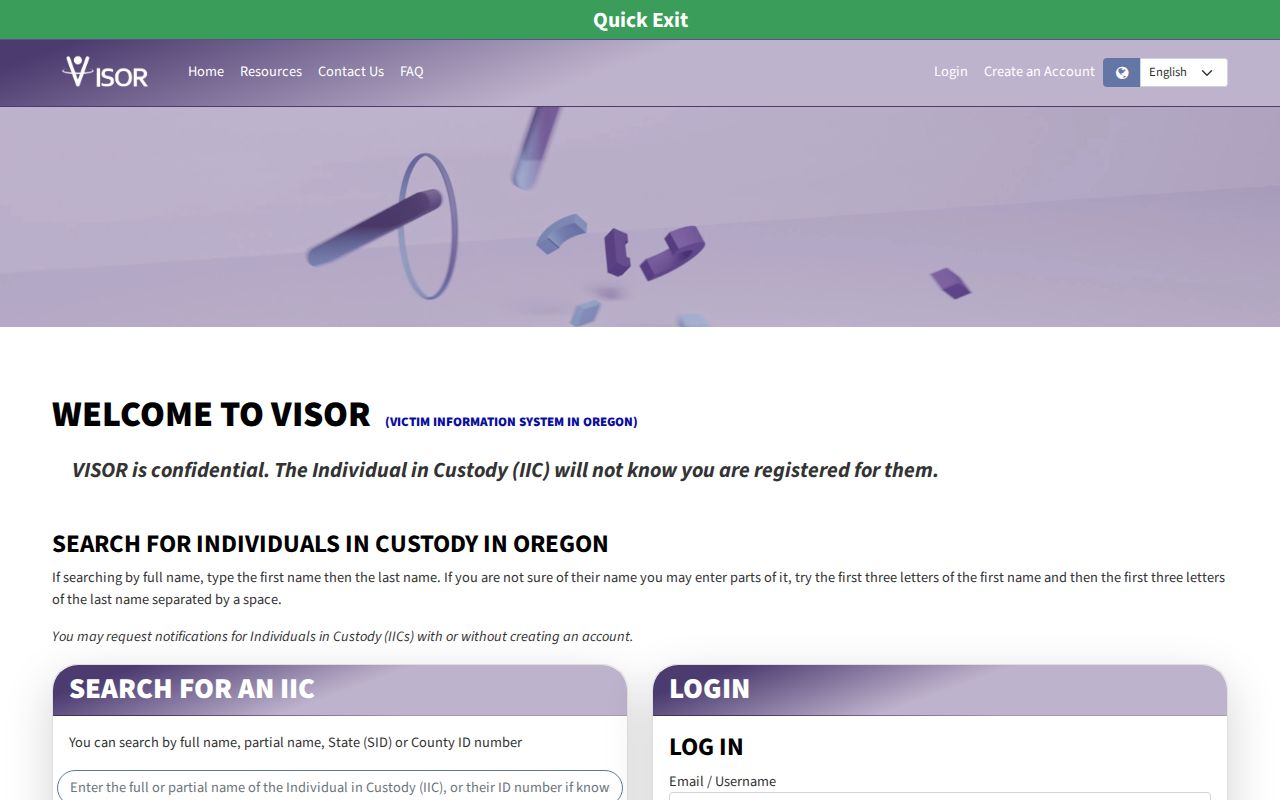
VISOR can answer a limited current-status question, not a person’s full history or current residential presence.
The Oregon State Police registry information describes public notification resources and their restrictions.
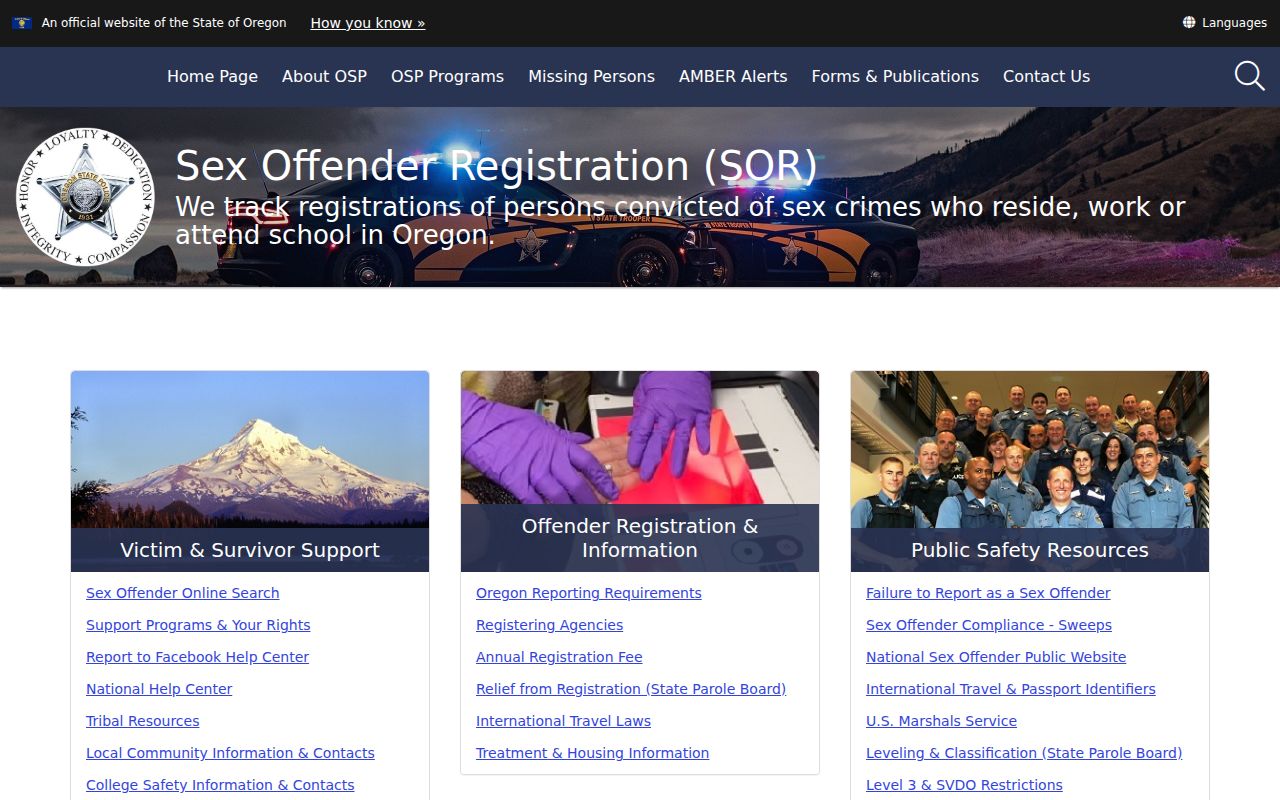
Use only the official registry’s own warnings and access rules. A name match alone is not a safe basis for a conclusion.
The Federal Bureau of Prisons inmate locator is a separate federal custody channel.
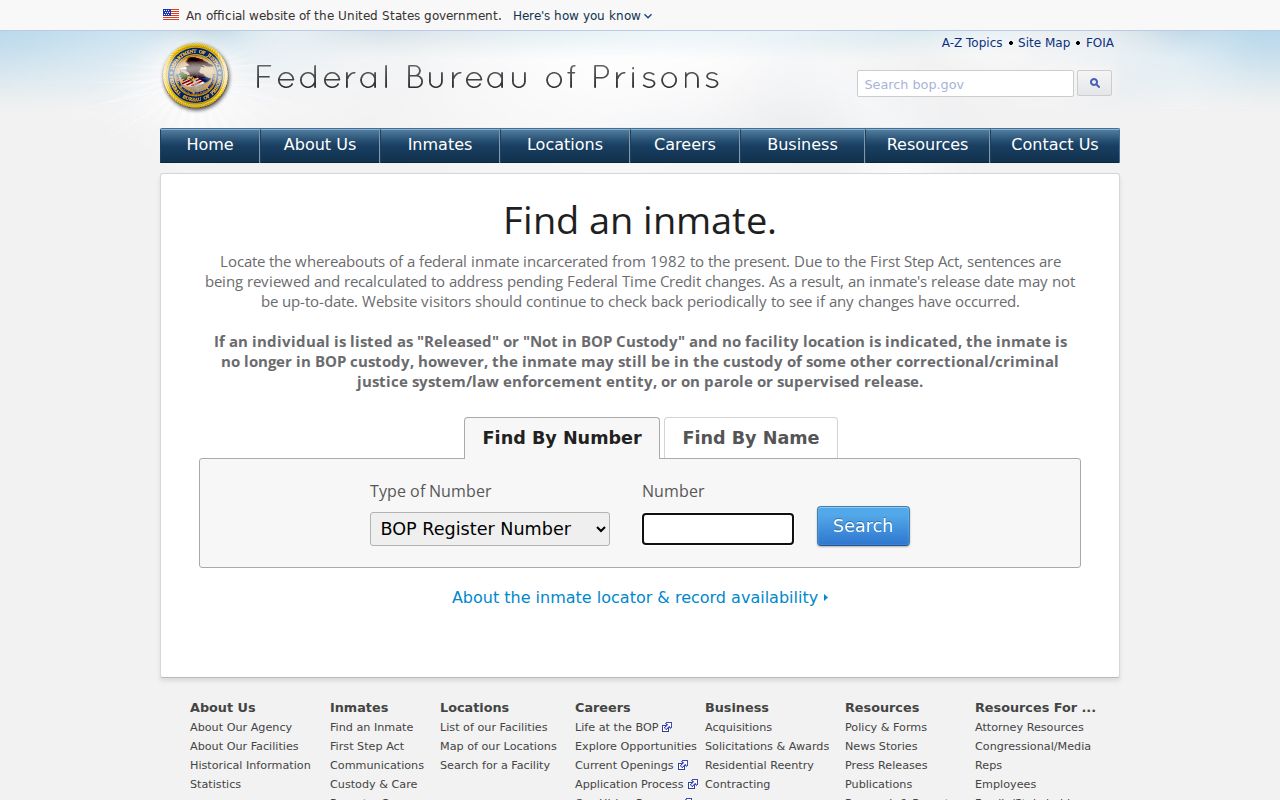
Federal custody information is separate from Oregon systems and does not identify a Hillsboro neighborhood connection.
For a limited local custody question, Washington County Sheriff’s Jail page links its current custody and 24-hour arrest-and-release resources. The research did not capture a full public web-field inventory, so use the official live link or the Sheriff’s channel rather than inventing a search method. A temporary custody record is not a history of residence or a complete record about a person.
Hillsboro Neighbor Privacy Limits
Non-owner occupants, protected residents, utility and delivery information, DMV personal data, and other confidential fields do not become public because a parcel is next to another parcel. Oregon’s Address Confidentiality Program, often called Safe at Home, uses a substitute address for qualifying participants. ORS 247.945 bars disclosure of Address Confidentiality Program information in elector lists, and ORS 247.948 controls other nonpublic voter information. The Oregon Consumer Privacy Act, ORS 646A.570-646A.589, can apply to covered consumer-data practices, but it does not erase government records or override custodian exemptions.
Lawful use. Hillsboro neighbors research belongs to lawful personal, civic, and historical questions. Never use a map or record to watch, intimidate, stalk, harass, or harm another person. Oregon stalking and harassment laws, including ORS 163.732 and ORS 166.065, still apply.
For a nonexempt City or County administrative record, make a focused request under Oregon Public Records Law, ORS 192.311-192.478. Identify the address, record type, date range, and project or parcel information when known so the custodian can evaluate the request accurately.